Our story
Your child starts by saying « Kawi ».
One day, they'll say « Kaweechelchen ».
The first two syllables, said at a child's height, give Kawi. The rest is the journey.
01
A French dad, a language he didn't speak
I arrived in Luxembourg without a word of Luxembourgish. Like so many people. You get by in French, life goes on, and nobody holds it against you.
Then you have children. And one day, a teacher speaks to your son in a language you don't understand, to a child who, for his part, is going to have to understand it. I decided to learn at the same time as my children, in the evenings, a little at a time. Kawi was born from those evenings: first for us, then for every family in the same boat.
02
The real problem isn't the app, it's the first day
In Luxembourg, a large share of children never hear Luxembourgish at home. They discover it on the very first day of précoce or Spillschoul, at the same time as the separation from their parents, the group, the rules, the noise.
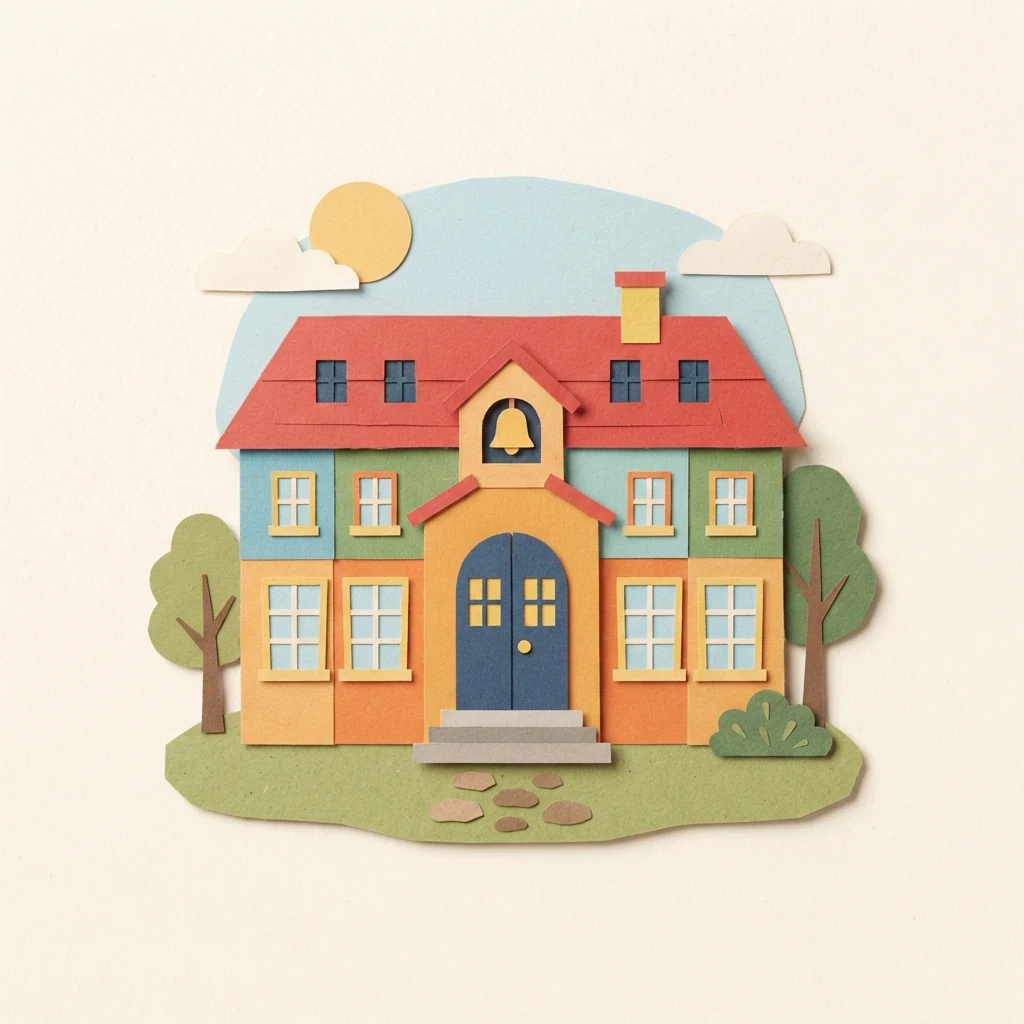 The language should be the easy part of that day. For these children, it's the hardest.
Kawi gets that moment ready. Not to get ahead of the others, but to arrive calm. To recognise a voice, a word, a nursery rhyme, and think "that one, I know".
03
So, the squirrel
In Luxembourg, the squirrel is called Kaweechelchen. Five syllables, a ch that scrapes the back of the throat, and as many pronunciations as there are villages. No newcomer gets it right first time; it's the kind of word that gently reminds you that you're just starting out.
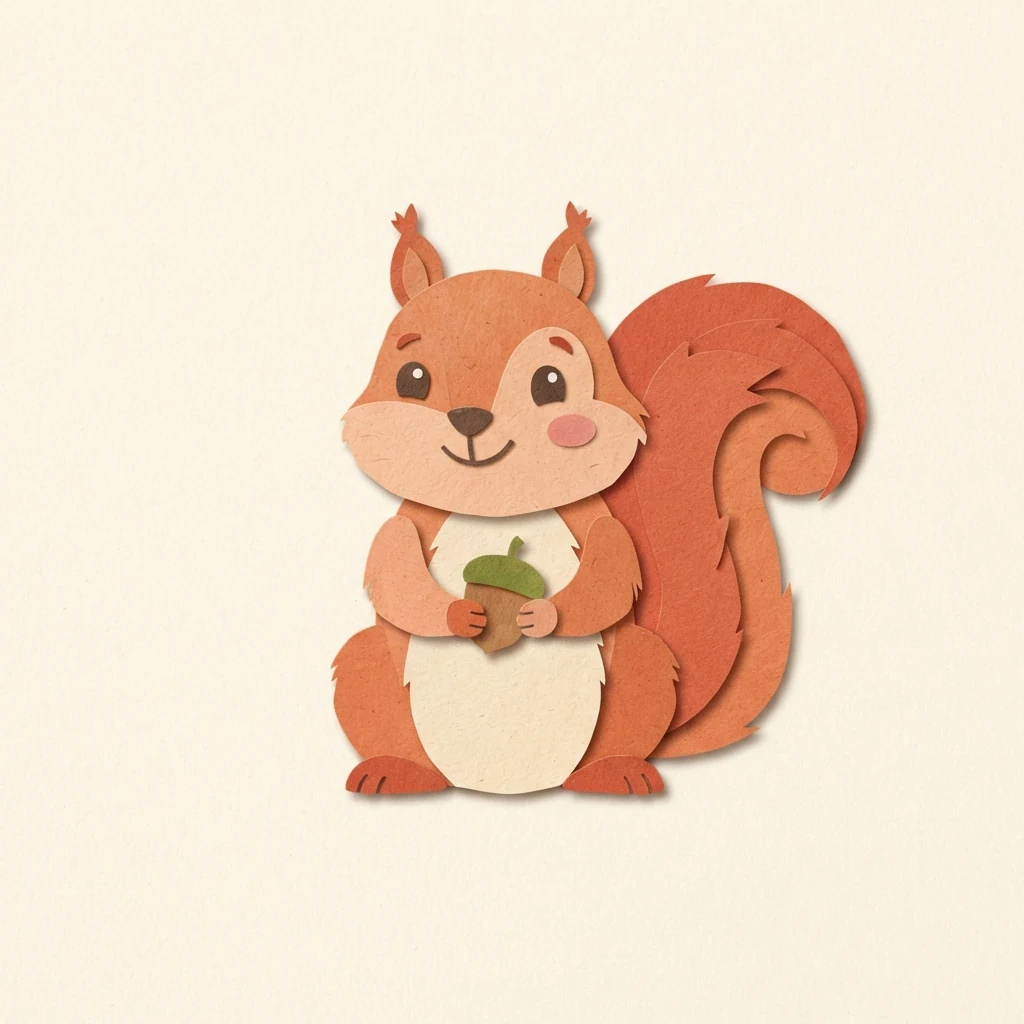 The Kaweechelchen card, just as it appears in the app.
We kept the squirrel as our mascot, and we took its nickname: Kawi. Two syllables, ka-wi. A French, a Portuguese, a German, an English speaker all pronounce it the same way. No tricky letters, you type it without a mistake. And because it's a squirrel's nickname, it belongs to no spelling: nobody can accuse you of "bad Luxembourgish" over a pet name.
04
The promise is in the name
Kawi is the easy word that opens the door. Kaweechelchen is the hard word at the end of the road. Between the two lies exactly a child's journey: start with what you can say, finish with what you thought impossible.
Your child starts by saying « Kawi ». One day, they'll say « Kaweechelchen ». And on that day, they'll be ready.